

Why Every Australian Home Should Consider Advanced Audio Design
Enhancing Home Ambience
Role of Sound in Design
As an interior designer, I'm always considering how sound can influence the overall feel of a space. It's not just about the visual elements; sound plays a significant role in creating an inviting atmosphere. Imagine a serene living room where the gentle sounds of nature envelop you like the subtleties found at the Fremantle Arts Centre. Beyond visuals, integrating sound thoughtfully can turn a standard area into a cohesive auditory and visual masterpiece.
Creating Cozy Environments
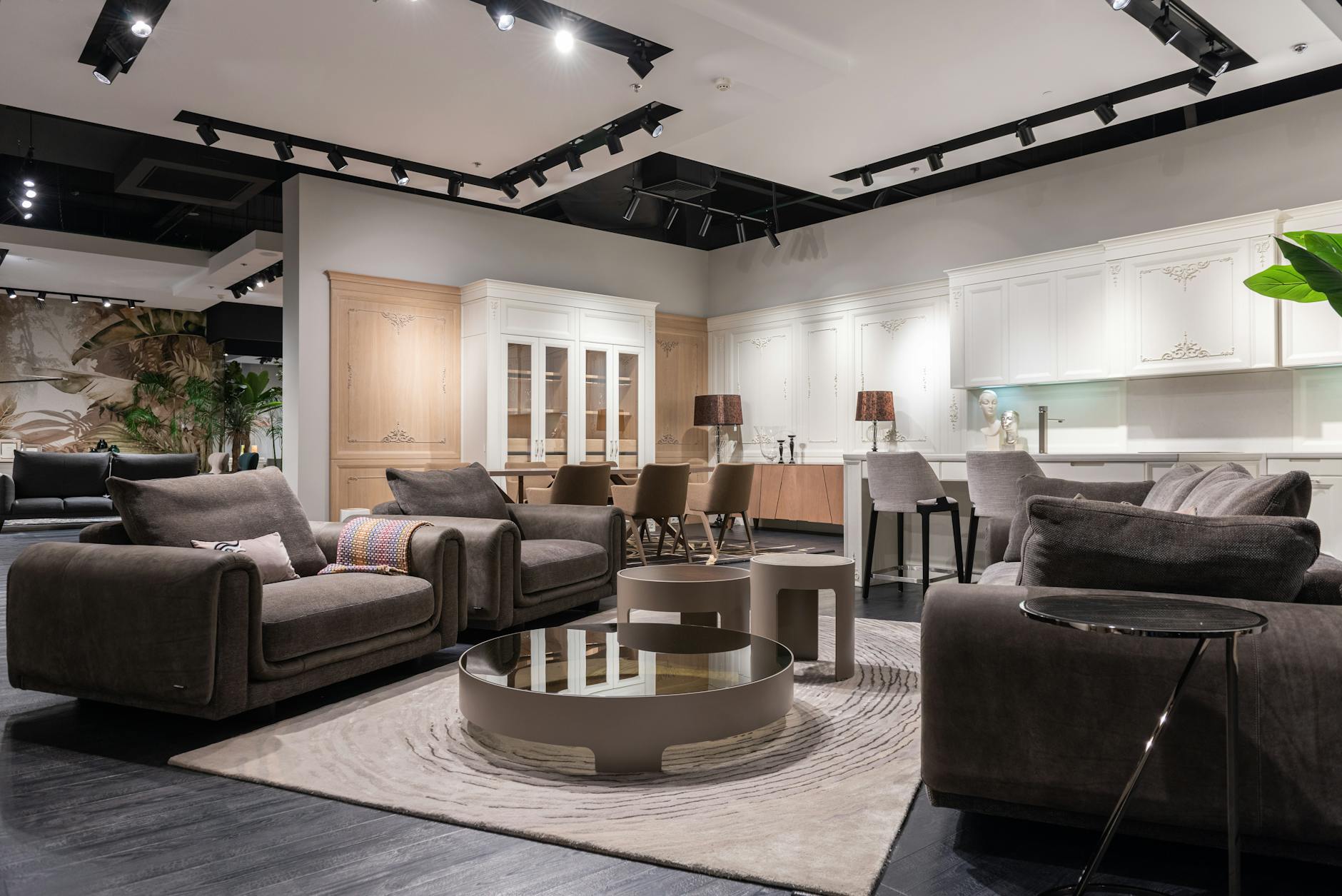
Crafting a cozy environment is all about layering sensory experiences. Just as you would choose the perfect throw pillows or ambient lighting, selecting the right audio elements can enhance comfort. Soft background music facilitated by well-placed speakers can create a comforting ambiance. It's about blending the auditory and visual to transform a room into a haven. Think about how each design decision, like pairing an elegant sofa with gentle instrumental tunes, contributes to an inviting setting.
Incorporating Personal Style
Incorporating personal style into audio design involves making choices that reflect both individuality and aesthetic. Whether you resonate with the sleek modernity of cutting-edge technology or the classic charm of traditional audio setups, marrying design elements ensures they echo your personal taste. A universal remote can help you control diverse components, maintaining the seamless functionality and aesthetic sync of the space. These components help each area feel as uniquely yours as any art installation at Yagan Square.
Key Design Elements
Acoustic Panels Benefits
As an interior designer, I often encounter the challenge of balancing aesthetics with functionality. Acoustic panels are essential in enhancing sound quality while maintaining a room's visual appeal. These panels not only absorb unwanted noise but also prevent echoes, making any space feel more serene and comfortable. This balance is particularly crucial in Australian homes where open living areas, much like those around the bustling Fremantle Arts Centre in Perth, are common.
Seamless Integration Tips
Integrating acoustic panels into your design seamlessly is all about creativity. Consider using panels that match or complement the existing décor. You might choose patterns or textures that mimic other design elements, ensuring they blend effortlessly into the space. Also, strategically positioning them—such as on ceilings or alongside art installations—can add to the room's visual depth without being obtrusive. This approach ensures that your client enjoys a perfect balance of sound isolation and style.
Effective Space Utilization
With limited space, especially in homes with compact designs, effective utilisation is key. Acoustic panels can serve multifunctional purposes. For instance, they can be part of a feature wall or incorporated into furniture designs, enhancing the room aesthetically while optimising acoustics. By strategically placing these panels, you're not only enhancing the acoustics but also maintaining the design integrity of the space. This blend of function and style is what most resonates with my clients, helping them create the perfect ambience in their homes.
Understanding Audio Components
Basics of Audio Equipment
Exploring the fundamentals of audio equipment can be like wandering through the textured walls of the Fremantle Arts Centre—filled with layers of history and culture. As an interior designer, understanding these basics is crucial to crafting a harmonious auditory environment in a home. Start by familiarising yourself with the core components: amplifiers, speakers, and receivers. These elements work together to create the rich, immersive sound your clients expect.
Speaker Placement Strategies
Think of speaker placement as arranging elements in a room for aesthetic balance and functionality. Correctly positioning your speakers can transform an ordinary room into a canvas of sound. Consider your client's daily activities and how sound will travel through the spaces they inhabit. Suggestions include placing speakers at ear level when seated or at an equal distance from key spots in the room. A good layout enhances sound quality and contributes to a room’s visual symmetry.
Importance of Cables and Connections
Cables are the unsung heroes in an audio setup. Much like the intricate designs within Yagan Square, the use of high-quality cables ensures that the audio signals travel smoothly, maintaining clarity and reducing distortion. Mismanaging cables can lead to performance issues, so always utilise appropriate cable lengths and types for the system you're working with. This ensures a robust connection between all audio components, providing a seamless acoustic experience in any design project.
Avoid Overcomplication
In my design consultations, I've seen the allure of overly intricate audio setups. However, it's crucial to remember that simplicity often reigns supreme. Focus on the essentials—such as a minimalist sound system that aligns with your room's aesthetics—and only incorporate additional elements if they add genuine value. Consider the serene installations at Cottesloe Beach for inspiration; their charm lies in their uncomplicated beauty, which can transform your space into a sonic masterpiece.
Balance Aesthetics with Function
Striking a balance between visual appeal and functionality is vital in audio design. Selecting equipment that complements your interior theme—whether it’s sleek modernism or rustic warmth—enhances the overall ambience. Think about how the Fremantle Arts Centre marries its historical architectural charm with contemporary art exhibits. Use similarly thoughtful intuition in your home design to ensure your space is both visually captivating and sonically pleasing.
Accurately Assess Acoustic Needs
Before diving into an audio project, assess your space's unique acoustical needs. Rooms with varying dimensions and surfaces require tailored solutions to enhance sound quality. Take cues from the adaptive architecture of Yagan Square, which harmoniously integrates modern structures with dynamic soundscapes. This attention to detail will ensure your home audio experiences are immersive and resonate with personal satisfaction.